

Shochu
Shochu is a unique distilled spirit from Japan, crafted from a wide variety of ingredients using a blend of ancient traditions and modern techniques.
History of Shochu
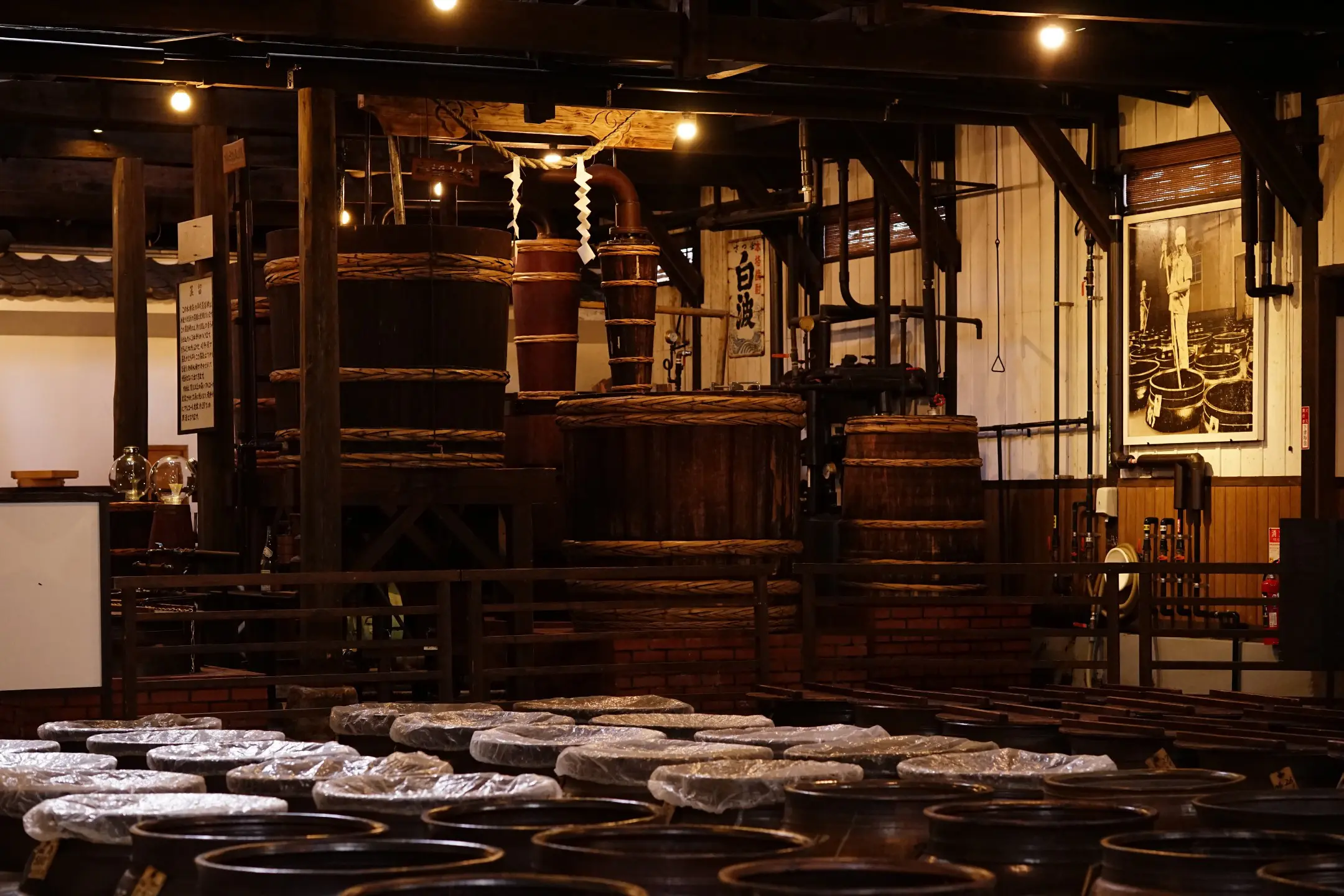
Archaeological findings indicate that distillation technology was present in Asia before 500 BC; however, the earliest written reference to the characters for Shochu (焼酎) dates to 1559. Graffiti left on the rafters of the Koriyama Hachiman Temple Shrine in Isa City (Kagoshima Prefecture) by carpenters in repairing the roof in 1559 complain that they weren’t given shochu at the end of their work as was customary. “The head priest was awfully stingy and never even gave us any shochu. What a pain!”
Ingredients
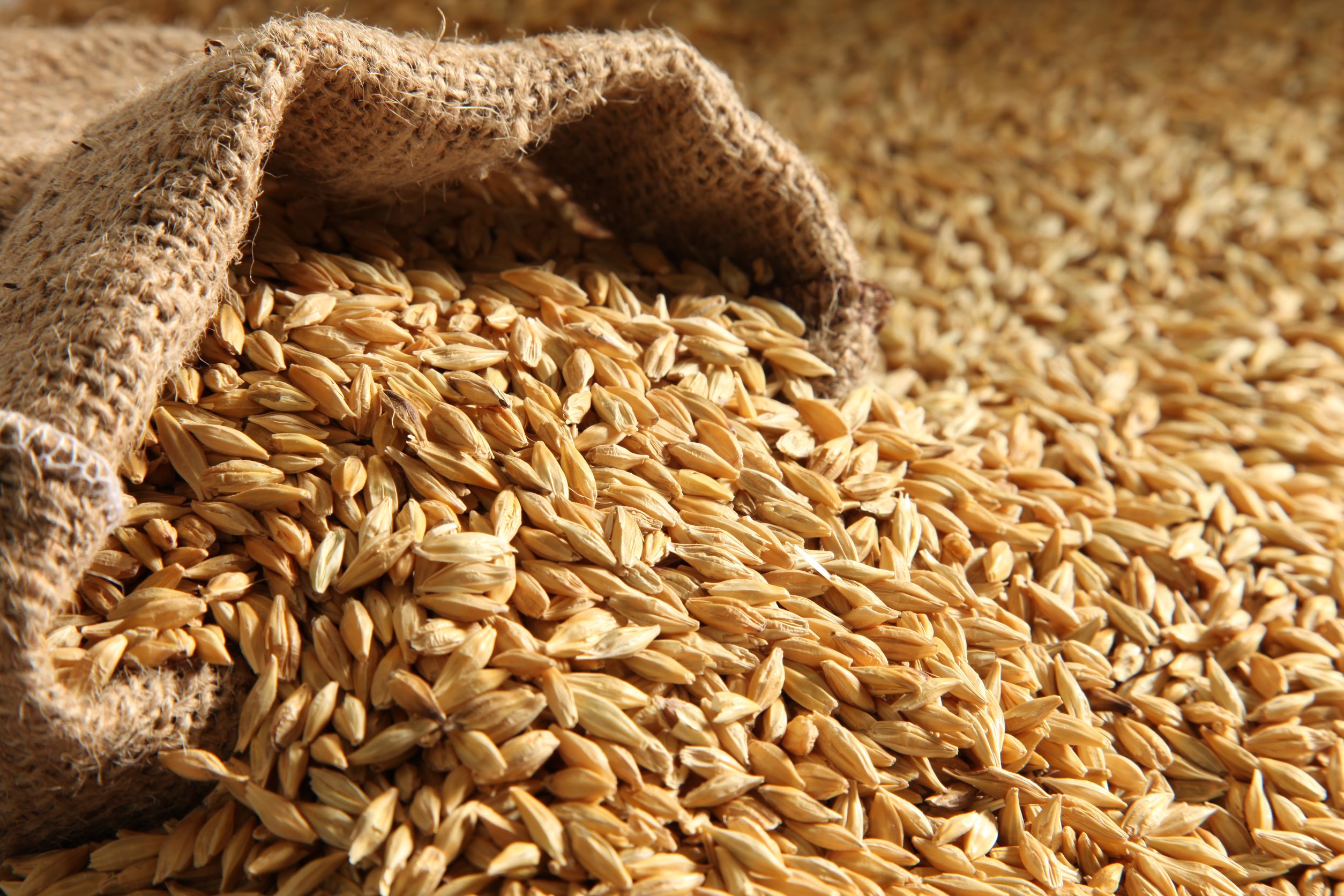
Around 50 different ingredients are used to make Shochu but Shochu is most commonly made from rice, barley, sweet potatoes, brown sugar, and buckwheat.
Shochu can also be made from sesame, chestnut, pumpkin, daikon radish, green tea, shiso, wakame seaweed, tomato, and other ingredients, as permitted by regulation.
Koji-Unlocking sugars
The Role of Koji
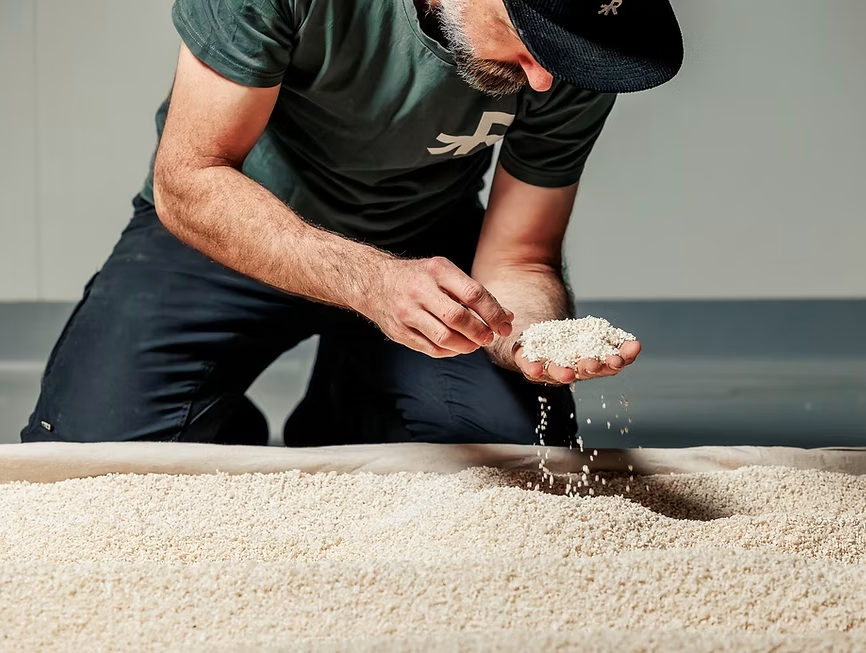
Koji is fundamental to shochu production, driving the fermentation process. It is created by cultivating the mould Aspergillus oryzae on steamed grains, where it produces enzymes that convert starches into fermentable sugars.
This approach sets shochu apart from spirits made with malted grains, such as whisky or beer. While malting relies on germination to unlock sugars, koji enables this conversion directly, offering greater flexibility in raw ingredients and resulting in a broader, more distinctive range of flavours.
Distillation
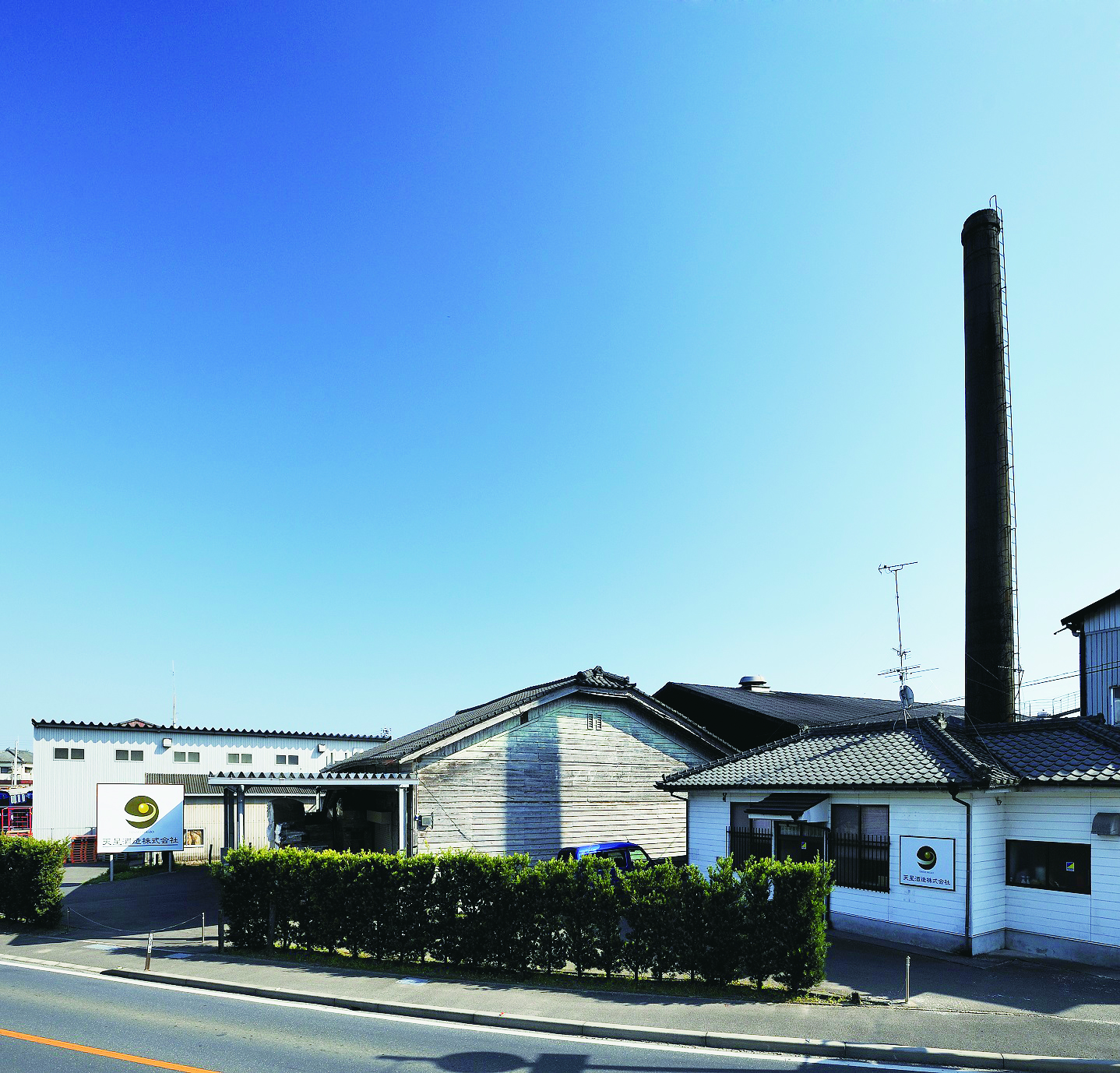
Shochu is produced using two primary distillation methods: atmospheric and vacuum distillation.
Atmospheric distillation involves heating the mash under normal pressure, which can lead to a stronger extraction of flavors from the ingredients, particularly in single-distilled shochu (Honkaku). This method enhances the rich and complex character of the spirit.
In contrast, vacuum distillation lowers the boiling point of the ingredients, allowing for distillation at lower temperatures. This method preserves delicate aromas and flavors, resulting in a smoother and lighter spirit often seen in multiple-distilled shochu (Korui). Together, these distillation techniques contribute to the diverse range of flavors and styles found in shochu.
Final Proof
The final proof of shochu typically ranges from 25% to 45% alcohol by volume (ABV), depending on the distillation method used. Most commonly, shochu is bottled at about 25% ABV, which is considered the standard and is often associated with single-distilled shochu (Honkaku).

Step by Step Production
All shochu undergoes fermentation followed by distillation, but what sets it apart is its use of both yeast and koji — a mould that converts starches from ingredients like rice, barley, or sweet potato into fermentable sugars.
The final proof of shochu typically ranges from 25% to 45% alcohol by volume (ABV), depending on the distillation method used. Most commonly, shochu is bottled at about 25% ABV, which is considered the standard and is often associated with single-distilled shochu (Honkaku).
Once fermentation is complete, the spirit is distilled either under atmospheric or reduced pressure. Reduced pressure preserves lighter, more delicate aromas, while atmospheric distillation produces a fuller, more robust character.
Shochu is typically unaged, resulting in a clean and expressive spirit, though some styles may be rested briefly before bottling.
What truly sets shochu apart across its diverse range of flavors is its special fermentation process, which utilizes koji — a mold that’s integral to Japanese brewing but is rarely found in other regions. Koji fermentation is key to unlocking the rich and distinct character of shochu, making it unlike any other spirit in the world.